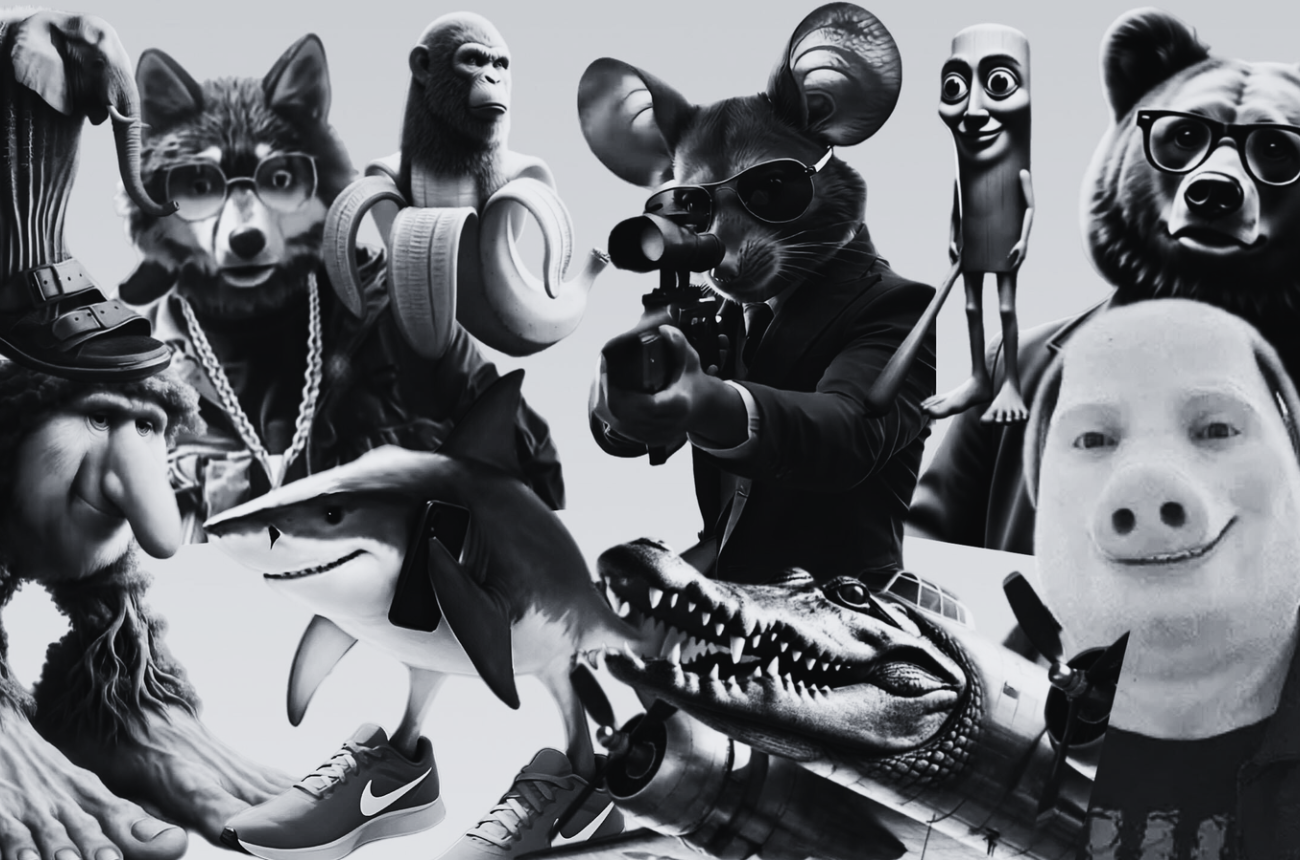
A wooden figure wielding a baseball bat might not seem like the next big licensing opportunity. But for millions of internet users, particularly younger audiences, Tung Tung Tung Sahur is instantly recognizable.
The character is part of the viral phenomenon known as Italian brain rot, a loosely connected collection of bizarre, often AI-generated characters that have spread across social media, video games, and online communities. Despite the name, the phenomenon extends well beyond Italy, drawing on an eclectic mix of cultural references, surreal imagery, and internet humor.
Tung Tung Tung Sahur, associated with Indonesian creator Noxa, draws inspiration from the traditional practice of using wooden percussion to wake people for sahur, the predawn meal during Ramadan. The character transforms that cultural reference into an absurd, slightly sinister figure that has taken on a life of its own through countless remixes, adaptations, and appearances in games.
What began as an internet joke has now become a potential commercial asset. Mementum Lab, which represents Noxa and other meme creators, has promoted licensing opportunities involving these characters and announced a partnership involving Fortnite.
As viral characters move from social media into commercial products, however, a fundamental legal question emerges: Who actually owns a meme, and what rights can be licensed?
When Internet Culture Becomes Intellectual Property
Memes thrive on sharing, imitation, and reinvention. Users create variations, add dialogue, remix images, and incorporate characters into new contexts. This collective participation is often precisely what makes a meme valuable.
But when a viral character becomes the subject of a commercial licensing deal, the same widespread use that fueled its popularity can complicate questions of ownership.
The original creator may claim rights in the character and seek compensation for its commercial exploitation. Game developers and other content creators may argue that their adaptations contain independently protectable contributions, or question whether the underlying AI-generated imagery is copyrightable at all. Meanwhile, fans who helped popularize the character may view attempts to control its use as inconsistent with the open, participatory nature of meme culture.
These competing interests are no longer merely theoretical.
In Spyder Games v. Mementum Lab, a federal lawsuit involving AI-generated brain rot characters, the parties have raised disputes concerning copyright ownership, trademark rights, and alleged infringement. A July 2026 discovery order identified the characters’ creation process and chain of ownership as relevant issues for examination.
Although the order did not resolve the underlying ownership questions, the litigation illustrates the legal uncertainty that can arise when AI-generated internet content becomes commercially valuable.
Copyright and Trademark Protect Different Aspects of a Viral Character
One of the central challenges in licensing AI-generated characters is determining which elements, if any, qualify for intellectual property protection.
Under current U.S. Copyright Office guidance, material generated entirely by artificial intelligence without sufficient human creative contribution is not eligible for copyright protection. Simply entering a prompt into an AI image generator generally does not establish copyright ownership in the resulting image.
However, human-created elements, including original modifications, creative arrangements, animation, or other expressive contributions, may qualify for protection. The scope of any copyright depends on the specific human authorship involved.
For businesses seeking to license a viral character, this distinction is critical. A creator may own copyright in a particular animation or adaptation without necessarily owning exclusive rights to every visual element of the underlying AI-generated character.
Trademark law presents a separate set of considerations.
Unlike copyright, which protects original expression, trademark law protects names, logos, and other identifiers that distinguish the source of goods or services. A viral character’s name or appearance may potentially function as a trademark if it is used to identify a commercial source and satisfies the applicable legal requirements.
But popularity alone does not create trademark rights. A character’s widespread recognition as an internet meme does not automatically give its creator exclusive rights to use that character across all products, services, or industries.
The result is that a viral character may have significant commercial value without being fully protected by copyright, trademark law, or both.
What Brands Need to Know Before Licensing a Viral Character
For businesses hoping to capitalize on viral internet culture, securing a license is only the beginning. The more important question is whether the party granting that license actually controls the rights the business needs.
Consider a retailer planning to launch a line of plush toys featuring a popular brain rot character. Before moving forward, the retailer should evaluate several key issues.
Verify ownership and the chain of rights. Determine who created the original character, whether AI was used, what human contributions may be protectable, and whether any third parties have rights in particular versions or adaptations.
Define precisely what is being licensed. A license should identify the specific artwork, character designs, names, sounds, animations, and other elements covered by the agreement. Permission to use one version of a character does not necessarily extend to every variation circulating online.
Evaluate trademark rights separately. Businesses should investigate whether the character’s name or appearance is being used as a trademark, whether relevant registrations exist, and whether third parties may hold conflicting rights in the intended markets.
Understand the limits of exclusivity. An exclusive license may prevent the licensor from authorizing competing uses, but it does not necessarily give the licensee the legal ability to stop all third parties from creating similar content or merchandise.
Address ownership disputes and enforcement responsibilities. Licensing agreements should allocate responsibility for infringement claims, challenges to ownership, enforcement costs, and potential losses if the licensed rights prove narrower than anticipated.
These considerations are particularly important for AI-generated characters, where the distinction between the original output and subsequent human-created adaptations may be difficult to establish.
Legal Rights Are Only Part of the Equation
Even where the intellectual property rights are sufficiently clear, commercializing a viral meme presents another challenge: preserving what made it popular in the first place.
Internet culture moves quickly, and its appeal often depends on spontaneity, absurdity, and community participation. A brand that attempts to commercialize a meme without understanding its origins or audience may find that the resulting product feels disconnected from the very phenomenon it hopes to capture.
For Tung Tung Tung Sahur, for example, understanding the character’s Indonesian cultural reference and the online community that popularized it is part of understanding its commercial appeal.
A successful collaboration therefore requires more than legal permission. It requires an appreciation of the character’s identity, its audience, and the context in which it became popular.
The Bottom Line
The rise of brain rot characters reflects a broader shift in how intellectual property is created, shared, and monetized. AI tools can generate recognizable characters almost instantly, while online communities can transform those characters into valuable cultural phenomena before traditional ownership and licensing structures have caught up.
For businesses, the opportunity is real, but so are the legal risks.
Before investing in a viral character, companies should identify precisely what they intend to commercialize, determine which elements are legally protectable, and verify that their licensing partners have the authority to grant the necessary rights.
A character’s popularity may make it commercially valuable, but popularity and legal ownership are not the same thing. Understanding that distinction is essential to turning a viral moment into a sustainable business opportunity.